
Premium
Hidden restaurant
Unlock with premium


Caffè Toscanini
Amsterdam · Jordaan4.4
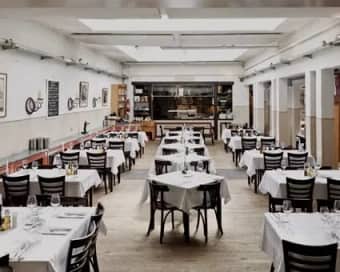
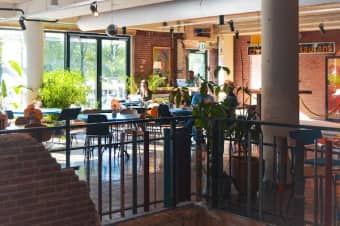
Toscanini has occupied the Lindengracht since 1990, when it outgrew its original Goudsbloemstraat space. Chef Leonardo Pacenti, a South African with Italian heritage, leads the kitchen with an approach rooted in improvisation and seasonal availability. The open kitchen, flooded with natural light, lets guests watch the team shape pasta, pull bread from the oven and plate dishes that shift daily. The cooking draws on regional Italian traditions, from Sicilian seafood preparations to Tuscan meat dishes, presented with a personal inflection rather than strict replication. Vegetables from organic farms sit at the centre of most courses, and the menu reads as a response to whatever the market and the season have offered that morning. An entirely Italian wine list emphasises small, lesser known producers. The companion Toscanini Deli around the corner extends the kitchen's reach with sauces, fresh ravioli and speciality products for home use.
Premium
Hidden restaurant
Unlock with premium
Premium
Hidden restaurant
Unlock with premium
Heron petit restaurant
Utrecht4.8
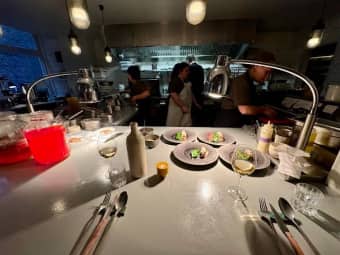
Héron Petit Restaurant is a small, open kitchen dining room on a quiet street in central Utrecht. Chef Josephien Blom and founders Victor Stukker and Joyce Bielderman cook a prix-fixe tasting menu rooted in ingredients from Dutch soil and Dutch waters, sourced directly from named farms and growers within the region. Foraging from the wild landscape around Utrecht and a five-hectare food forest in Haarzuilens shapes the kitchen's direction. Fermentation runs through the menu: koji, amazake, garum and desem bread appear alongside produce from certified organic grower Tuinderij Eykenstein and outdoor-raised pork from Buitengewone Varkens. The dining room seats a handful of guests at a time, furnished with pre-loved chairs from the Dutch Ministry of Social Affairs and bar beams salvaged from a house in Zutphen. Joyce pairs each course with a non-alcoholic option drawn from house-made ferments and fruit infusions.
Premium
Hidden restaurant
Unlock with premium
Restaurant Kasvio
Utrecht4.8
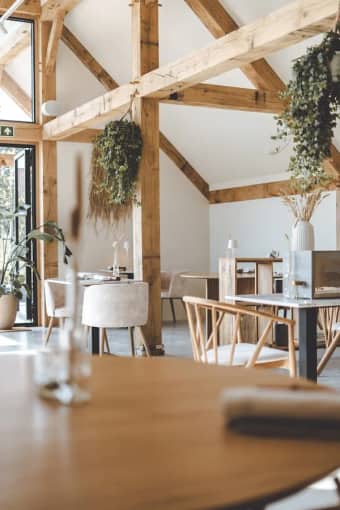
A plant based tasting menu restaurant in central Utrecht where chef Mari Pitkänen builds Nordic flavoured courses from foraged greens, ferments, and organic European produce.
Pianeta Terra
Amsterdam4.7
Pianeta Terra opened in 2000 with a founding commitment to cook exclusively with organic ingredients, sourced locally where possible. Chef Fabio Antonini, manager Raul Mini and sommelier Laura Martini built the kitchen around direct relationships with small producers across the Netherlands and Italy. The restaurant sits in a converted 17th century stable on Beulingstraat, a quiet side street near the Singel canal. Three levels of warm, unhurried dining space give the room the feel of a private Italian supper rather than a formal evening out. Antonini was the first chef outside Italy to join the Slow Food Chefs Alliance in 2009, a network he has since championed across the Netherlands. The kitchen works with heritage breed suppliers and Slow Food Presidia products, translating these into a modern Italian menu that changes with the seasons and the day's deliveries.
Entrepot
Amsterdam4.5
Entrepot occupies a former billiards hall on Entrepotdok, where high wooden beams and an industrial frame meet a warm, lively dining room with an open kitchen at its centre. The cooking follows a near rigid local philosophy: the kitchen works only with ingredients available in the Netherlands, replacing citrus with apple and olive oil with local alternatives. The daily menu is built around what arrives from the market that morning, with vegetables taking the lead and fish and game playing supporting roles. Most dishes are prepared over open fire, giving them a distinctive smoky depth. The wine list, recognised as Wine List of the Year at the 2022 Proefschrift Awards, favours expressive, often biodynamic bottles from France, Italy, Germany and Austria, selected from over 18 specialised importers.
Restaurant Merkelbach
Amsterdam4.3
Restaurant Merkelbach occupies the coach house of Huize Frankendael, the last surviving 18th-century country estate within Amsterdam. Chef Geert Burema, who initiated the Slow Food Chefs Alliance in the Netherlands, has built a kitchen that runs on seasonal, locally sourced ingredients since 2004. The regular lunch menu is fully vegetarian, with herbs picked from the ecological park that surrounds the building. For group dinners, the kitchen extends into meat from Lindenhoff farm in Baambrugge and day-caught North Sea fish from Goede Vissers, both prepared whole-animal. A large garden terrace overlooks Frankendael Park, offering a distinctly green dining setting within the city.
Premium
Hidden restaurant
Unlock with premium
Rijks
Amsterdam4.4
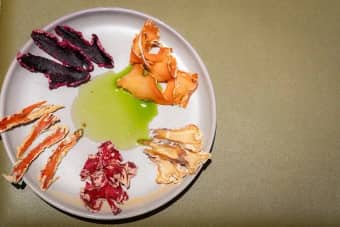
Rijks occupies the Philips Wing of the Rijksmuseum, its floor to ceiling windows framing an open kitchen where the brigade works with precision. Joris Bijdendijk has shaped the restaurant around what he calls the cuisine of the Low Countries: a repertoire built on Dutch produce, enriched by flavours from centuries of trade. The menu moves between land and sea. Red beet millefeuille with tomasu soy sauce, grilled celeriac with North Holland Messeklever cheese, Zeeland oysters and heritage breed meats all feature, but vegetables take the lead more often than not. Bijdendijk co-founded the Low Food foundation, dedicated to rethinking Dutch gastronomy around sourcing and inclusion. That conviction runs through the kitchen: direct producer relationships, Slow Food Chefs' Alliance membership, and a wine list recognised by Star Wine List.
Restaurant Rotonde
Rotterdam4.8
Rotonde is built on a simple premise: cook local vegetables over open fire, pair them with natural wines, and account for every decision along the way. Chef Jord Coree, a MAD Academy alumnus who previously cooked at INUA Tokyo and Yard Paris, opened the restaurant in December 2021 with Birk Heijkants and Roy Lammers on Rotterdam's Goudsesingel. The entirely vegetarian kitchen sources roughly 60% of its produce directly from regional growers, with the remainder from Landzicht Biologisch. Wood-fire cooking lends depth to ingredients like krombekboon, scorzonera, and palm kale. Birk curates a focused list of natural wines without additives; Roy built the bar from recycled printers and refrigerators.
Premium
Hidden restaurant
Unlock with premium
Premium
Hidden restaurant
Unlock with premium
Restaurant Barracuda Amsterdam
Amsterdam4.4
Barracuda fills an 800 square metre former industrial space in Amsterdam's Hamerkwartier with the energy of a coastal fish market. Co-founded by five friends from the city's hospitality scene, the kitchen is led by Joey Baal and Maus Meeuwig, both alumni of Toscanini and other respected Amsterdam kitchens. The approach is direct: fish arrives from local fishermen, the menu changes daily based on what was caught the previous day, and every dish is served for sharing. The space runs on a self-service ordering system that keeps the pace lively and prices accessible. By day the atmosphere is relaxed and family oriented, with a mini-cinema screening children's films; by evening the energy shifts, with bubble machines and a decorated service robot adding to the mood. A skybox lounge upstairs offers a separate space for groups. Beyond seafood, the kitchen treats vegetable and vegan dishes with equal attention. Vegan krokets, vegetable fritto misto and Mediterranean toasts sit on the menu alongside oysters, langoustines and whole oven-roasted fish. Wine is poured by the carafe from tap, keeping the drinks list approachable.