



Bridges
Amsterdam4.6
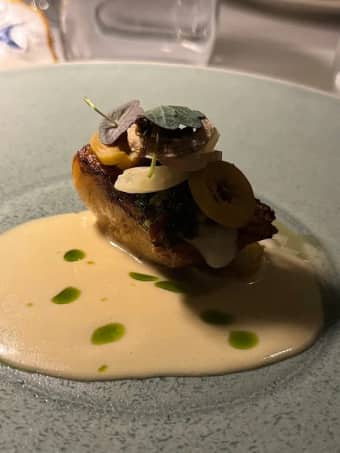
Set in the former canteen of the city hall, in a building that traces its origins to a 1411 convent, Bridges occupies one of the most layered addresses in Amsterdam, anchored by Karel Appel's 1949 mural at the entrance. Executive Chef Raoul Meuwese describes the kitchen as classic and traditional French with international influences and a local touch. The five- and seven-course Menu du Chef is built around fish and Dutch seasonal ingredients, with à la carte and a private chef's table for groups of up to six. The dining room sits between two of Amsterdam's oldest canals, paced for an unhurried evening; a sommelier-curated wine list and a private dining room for up to twelve round out the offer.
Premium
Hidden restaurant
Unlock with premium
Premium
Hidden restaurant
Unlock with premium
Premium
Hidden restaurant
Unlock with premium
Bloem eten en drinken
Amsterdam4.5
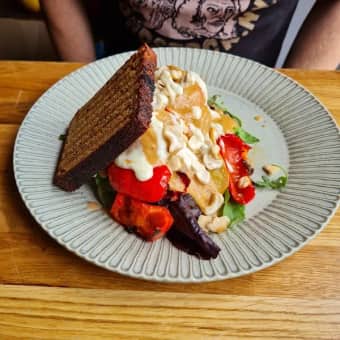
Bloem occupies a former warehouse on the Entrepotdok canal, directly across from Artis Zoo, with a waterside terrace that catches the evening sun. The kitchen is entirely plant based, organic (EKO certified) and gluten free, holding the only full NCV gluten free certification in Amsterdam. Since 2022, the menu has been completely vegan, a decision rooted in the belief that plant based cooking is better for the world. Chef Daniel Hutchinson and his team prepare everything from scratch in a compact kitchen: sourdough bread, fermented and pickled vegetables, lemonades, kombucha, and desserts. Seasonal vegetables form the backbone of a three course menu that changes regularly, with dishes slow cooked, roasted and fermented to draw out depth of flavour. The ground floor seats guests near the open kitchen, while a first floor room with low ceilings offers a quieter setting.

BOG
The Hague4.7
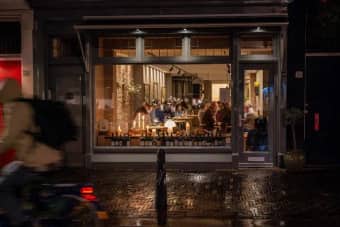
In a white mansion on Prinsestraat in The Hague, chefs Thomas van Voorst and Luc Rensen run a kitchen built on the principles of New Nordic cuisine. Two five-course tasting menus sit side by side at the same price: one centred on meat and fish, the other on vegetables and dairy, each prepared with equal intensity. The approach is minimalist rather than maximalist. Most dishes are built around three or four core ingredients, treated through the Nordic techniques of smoking, pickling, brining, and fermentation. Vegetables sit at the centre of the kitchen's identity, recognised by the We're Smart Green Guide with five radishes. The interior matches the cooking — pale wood and understated lines. The wine list is restricted to biological and biodynamic producers.
Bolenius Restaurant
Amsterdam4.9
Bolenius brings Dutch produce to the centre of the plate, with a kitchen garden and greenhouse at the edge of Rembrandtpark supplying much of what reaches the table. The restaurant is built around the idea that vegetables, herbs and seasonal ingredients deserve the leading role, while fish and meat play a supporting part. Glass walls open onto the park, blurring the line between garden and dining room. Chef Luc Kusters, a founding figure of the Dutch Cuisine movement, has shaped a menu where roughly 80 per cent of each plate is plant based. Weekly rotations follow the micro seasons, and dishes are built around what the garden and local producers can offer at that moment. A botanical cocktail bar draws on the same herbs growing outside the window.
Premium
Hidden restaurant
Unlock with premium
Broei
Utrecht4.4
Broei sits along Utrecht's Vaartsche Rijn, where co-owners Stijn Knaapen and Danny Simon run a fully plant-based kitchen that foregrounds vegetables rather than substitutes. Chef Niels designs a rotating menu every eight weeks around seasonal produce from local growers, including De Groentenakker in Odijk and flour from Commandeursmolen in Limburg. The atmosphere blends a living room feel with serious cooking: multi-course dinners feature dishes like pickled watermelon with salted plum sorbet or roasted cauliflower with miso pickles and fried lotus root. Mornings bring homemade sourdough, cinnamon rolls and coffee from Utrecht roaster KEEN Coffee. Almost everything is made in house, from bread and preserves to kombucha. Broei holds the Lekker Vega Gold quality mark and a Gault&Millau score of 12/20.
Café Beurre
Amsterdam4.4
Café Beurre takes its name seriously. Housemade butter from De Beekhoeve, an organic farm, anchors a concise menu that puts vegetables at the centre of every plate. Owner Kim Jongbloed built the kitchen around a conviction that quality produce needs little more than good technique and honest preparation. The room is compact and candlelit, dressed in white linen with a French bistro sensibility that belies its Staatsliedenbuurt address. Bar seats and a sheltered terrace keep the feel relaxed, and walk-ins are the norm. Chef Wes ten Kleij rotates the menu every six to eight weeks, following what is in season, while a short wine list of natural and small-producer bottles changes in step.
Café Cress
Amsterdam4.9
Caffé Cress occupies a bright, double-windowed corner on Johan van Hasseltkade, looking out across the IJ from Amsterdam-Noord. The room is laid out like a living room with games and colouring sheets on the tables, a south-facing terrace, and a clear preference for everyday hospitality over occasion dining. The restaurant opened in late 2023 under three co-owners who previously worked together at Floreyn: Cyril Martineau and Niamh Groentjes run the kitchen, while Jeffrey Klepper looks after the floor and the wine list. Cyril brings a French foundation, Niamh layers in Asian influence, and the dialogue between the two shapes the cooking. The menu changes every two weeks around what Cyril finds each morning at the Albert Cuyp market, with bread from city bakery Van As, a cheese course from Fromagerie Kef, and coffee from Zwarts'.
Tolhuistuin
Amsterdam4.2
Café Restaurant THT sits in the pavilion of Tolhuistuin, a cultural free space in Amsterdam Noord with views over the IJ. The kitchen, led by chef Rob Hofland, serves small plates from around the world designed for sharing, with dishes arriving within ten minutes at an accessible price point. Around three quarters of the menu is plant based, making it a strong destination for vegetarians and vegans without excluding flexitarian diners. Meat, fish and dairy come from named regional suppliers with organic and certified credentials, while seasonal produce shapes a menu that rotates quarterly. The restaurant opens onto an 18,000 square metre garden and riverside terrace, set within a cultural venue hosting concerts, theatre and community events year round.
Cultureel Eetcafé 'Skek
Amsterdam4.5
Skek is a vegetarian eetcafé on Amsterdam's Zeedijk, operated as a cooperative without hierarchy under the Stichting Kriterion foundation. Every member of the team receives equal pay and takes part in shaping how the kitchen, the programming and the business run. The result is a venue that feels less like a restaurant and more like a second living room. The fully vegetarian menu changes every three months, tested by the kitchen committee and tasted by the whole team before it goes live. Dishes range from pulled jackfruit burgers and eggplant tempura to goat cheese tartlets with pear and thyme. Live music fills the room several evenings a week, with jazz, cabaret, open mics and rotating art exhibitions rounding out a cultural programme that keeps the Zeedijk address alive well past dinner service.
de Boterwaag
The Hague4.2
De Boterwaag occupies the Grote Markt's monumental 17th-century butter weigh house, its original 1682 weighing scales still hanging from the ceiling. The building sets the tone for a spacious, convivial city cafe that runs from morning coffee through to late-evening drinks. The menu spans Dutch grand cafe standards and wood-fired Neapolitan pizza from the in-house Bakplaats oven. Bread comes from Brood van BRO, a local sourdough bakery working with organic grains; beef is sourced from Palmesteyn; cheese from Kaasboerderij van de Weert; and bitterballen from the Haagsche Croquetterij. Several dishes use organic ingredients, including the burger patty and pancakes. The restaurant holds Green Key Gold certification, runs a fully electric kitchen, and participates in The Hague's Good Food City initiative.
Premium
Hidden restaurant
Unlock with premium
Premium
Hidden restaurant
Unlock with premium
Premium
Hidden restaurant
Unlock with premium
Premium
Hidden restaurant
Unlock with premium
Premium
Hidden restaurant
Unlock with premium
De Sering
Amsterdam4.9
De Sering grew out of Extinction Rebellion's Amsterdam chapter in 2019, with a single idea: rebuild community through shared meals. Today it serves 300 plant based meals daily across two locations, fuelled entirely by volunteers and a donation based pricing model that keeps the kitchen open to everyone. The space doubles as a cultural meeting point, hosting lectures, screenings, workshops and fundraisers alongside the daily lunch and dinner service. Weekday lunches draw workers from the surrounding Sloterdijk area; evenings bring a broader mix of neighbours, activists and curious visitors to communal tables. Coffee comes from Subcult, the in house speciality coffee bar, while the bar pours draft beers from Amsterdam's Butcher's Tears brewery and a short list of natural wines.